
If you have spent years navigating the mental health system, you might feel like you are running in circles. It is common to spend session after session analyzing the past, searching for “toxic traits,” and dissecting your struggles. Here is the scientific truth that changes everything: your brain is a physical organ — and exactly like your heart or your lungs, it can heal, change, and optimize when given the right inputs. Mental health challenges are rooted in biological hardware, not moral failings.
Traditional psychiatry frequently misses this mark. It often traps people in a loop of pathology — endlessly hunting for what is wrong and rehashing historical pain without offering an actual exit strategy. It hands patients fixed ideas about what is broken inside them, but fails to provide functional, physiological solutions. True healing requires moving beyond analyzing the exhaust and directly treating the biological engine. We focus on actionable neuroscience to drive real, tangible change.
You are the captain of the ship
In our practice, the therapeutic relationship is clearly defined: we provide a precise, scientific map, but you are the captain of the ship. True healing requires honoring your absolute autonomy to steer your own course. The standard psychiatric system frequently attempts to dictate a patient’s narrative, handing out heavy, permanent labels like “personality disorders.” This approach pathologizes what is very often just a temporary failure of different brain regions to communicate, systematically stripping the patient of their agency and hope.
We provide a non-judgmental biological framework instead. Once your brain is integrated and functioning efficiently, we give you the quiet, respectful space to do your own meaning-making. We do not dictate your story; we help you build the healthy neurobiology necessary to write it yourself.
The empathy of experience and clinical rigor
Trust requires more than a degree; it requires genuine understanding. I navigated the traditional system for depression and anxiety, tried the standard trial-and-error approaches, and experienced the frustration of stalled progress. I ultimately healed my own brain by applying the exact neurobiological methods we use in our practice today.
Experiencing the traditional psychiatric system firsthand reveals its fatal flaw: it offers an endless cycle of analyzing why you are broken rather than teaching you how to build new neural pathways. By synthesizing this lived experience with 30 years of clinical nursing, Vajrayana mindfulness principles of non-judgment, and current neuroscience, we offer a fiercely scientific yet deeply compassionate practice.
Activations over analysis
The pragmatic path to neurobiological integration is straightforward: feed the biological engine good things, avoid neurotoxins, and let the nervous system begin to self-correct. This means optimizing sleep architecture, using targeted nutritional inputs to stabilize brain glucose, building and maintaining muscle, and daily routines that foster neurogenesis — brain cell growth.
Rehashing pathology again and again only re-triggers the brain’s alarm system. The traditional model will map your trauma for years, but rarely provides the physiological activations required to actually quiet the amygdala and engage the prefrontal cortex. We focus on what works: integrating brain regions through targeted, evidence-based activations. Physical exercise alone has robust meta-analytic evidence as a treatment for depression.1 When the physical brain is optimized, everything else begins to fall into place.
Your brain is a physical organ — and like any organ, it can heal and change.
Non-judgmental. Symptom-focused. Biology-first. No labels. If you are ready for a different approach to mental health, we are accepting new clients throughout Connecticut via telehealth. Book a free 15-minute consultation — let’s talk.
References
- Schuch FB, Vancampfort D, Richards J, et al. Exercise as a treatment for depression: a meta-analysis adjusting for publication bias. J Psychiatr Res. 2016;77:42–51.
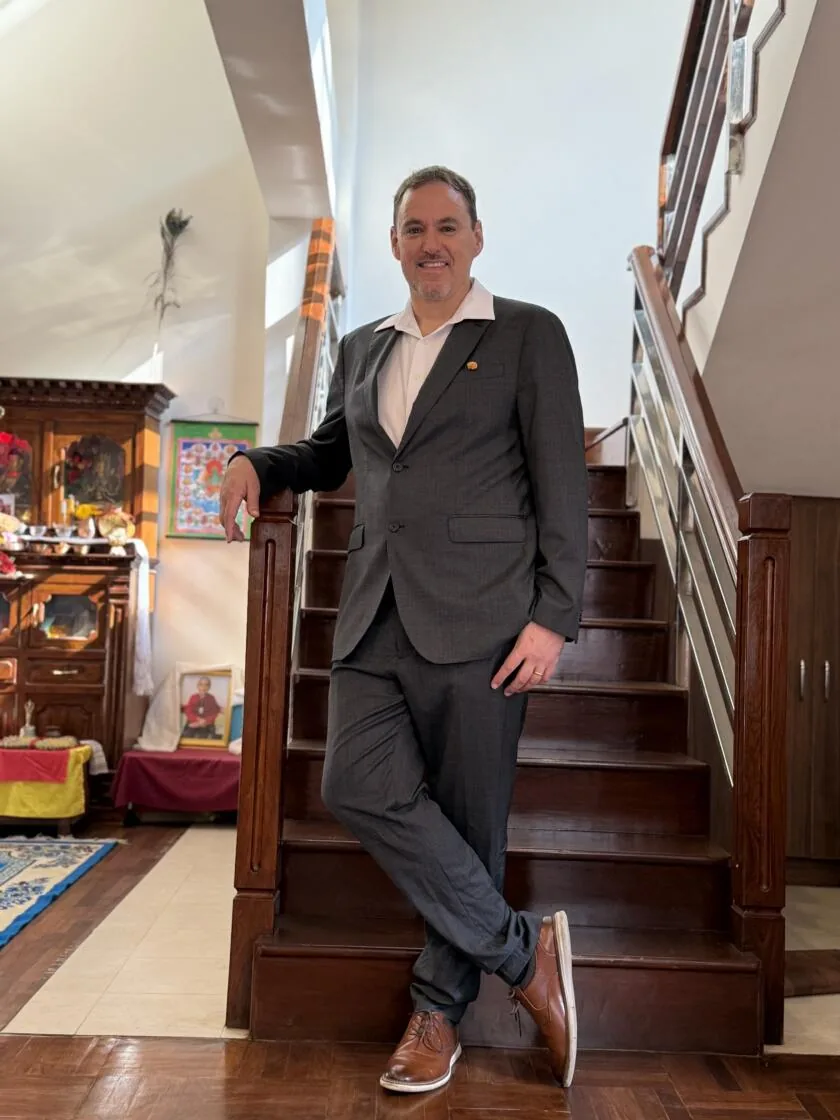
A. Michael Crook, MSN, APRN, PMHNP-BC
Board-certified Psychiatric Mental Health Nurse Practitioner. Neuroscience-based psychiatric telehealth throughout Connecticut — evaluation, medication management, and supportive therapy, with no controlled substances prescribed.
Book a Free 15-Minute Consultation
Call or Text: (203) 212-8493