
For too long, the standard model of psychiatric care has rested on a misconception: that intense emotional struggles are defects to be suppressed. The traditional playbook is predictable. A patient presents with severe trauma, emotional dysregulation, or explosive anger, and the clinical reflex is to throw a heavy pharmacological blanket over the problem — heavy dopamine blockers and sedating agents that blunt the mind. This model succeeds at making patients quieter. It fails at making them healthier.
Awareness is the first step in healing.
Your struggles aren’t character flaws — they’re brain biology, and our brains can change. To reach genuine, lasting recovery, we have to abandon symptom suppression and embrace the science of structural neurobiological change.
The “Fire” and the “Container”
Trauma and chronic stress physically alter the brain. They create a hyperactive amygdala — the brain’s threat-detection center — that acts as an uncontrollable “fire.” Traditional psychiatry tries to extinguish that fire by blunting the entire central nervous system. But you cannot heal from trauma you cannot feel. The goal is not to eliminate the fire; it is to build a stronger container to hold it safely.
Instead of blunt-force medication, the work is precision psychopharmacology — and it is precision psychiatry without controlled substances: no benzodiazepines, no stimulants. Using targeted, non-blunting agents — alpha-2 agonists to organize the prefrontal cortex, specific modulators to stabilize presynaptic glutamate, non-stimulant approaches to attention and focus — we give the brain the structural scaffolding it needs to stay grounded. The patient stays emotionally accessible: able to feel sadness or anger, and to process traumatic memory without collapsing into a dissociative freeze or flying into a destructive rage.
Neuroplasticity demands hard work
Your brain is a physical organ — and like any organ, it can heal and change.
Adult hippocampal neurogenesis persists throughout life — a 2018 study examining human brains across a 65-year age span found new neurons still being generated into the eighth decade1 — exercise raises the brain’s growth factors, and neural pathways rewire at any age. But rewiring a traumatized brain takes metabolic energy and psychological grit. It requires:
Targeted biological support. The brain needs raw materials to build neurotransmitters. That means comprehensive bloodwork, pharmacogenomic testing (including MTHFR polymorphisms), and nutrient support matched to your individual biochemistry.
Whole-system intervention. Rigorous psychiatric care combined with exercise protocols, sleep optimization, and nutritional strategy — working with the brain’s natural capacity to transform. Regular aerobic exercise, in particular, has meta-analytic support for improving depressive symptoms.2
Cognitive flexibility. Healing is not the absence of anxiety; it is moving through it — recognizing a trigger, feeling the physiological flood of adrenaline, and consciously choosing a different response.
Dropping the labels
We don’t put people in boxes or reduce you to labels. Brains and lives change over time, and symptoms shift as circumstances do.
I am not here to label you. I am here to help your brain change so you can become the person you were meant to be.
Through the lens of neurobiology, the shame evaporates. An explosive anger episode isn’t a moral failing; it is limbic escape. A crippling lack of motivation isn’t laziness; it is often the direct result of dopamine blockade or cognitive burnout. Treat the brain with the respect it deserves, and patients take the wheel.
The work is intense, and the thawing back into emotional accessibility can be profoundly uncomfortable. But for those willing to rewire their neural pathways — including people in recovery looking for a different path — the reward is extraordinary. They don’t just survive their diagnoses. They reclaim their personalities, their clarity, and their lives.
References
- Boldrini M, Fulmore CA, Tartt AN, et al. Human hippocampal neurogenesis persists throughout aging. Cell Stem Cell. 2018;22(4):589–599.e5.
- Schuch FB, Vancampfort D, Richards J, et al. Exercise as a treatment for depression: a meta-analysis adjusting for publication bias. J Psychiatr Res. 2016;77:42–51.
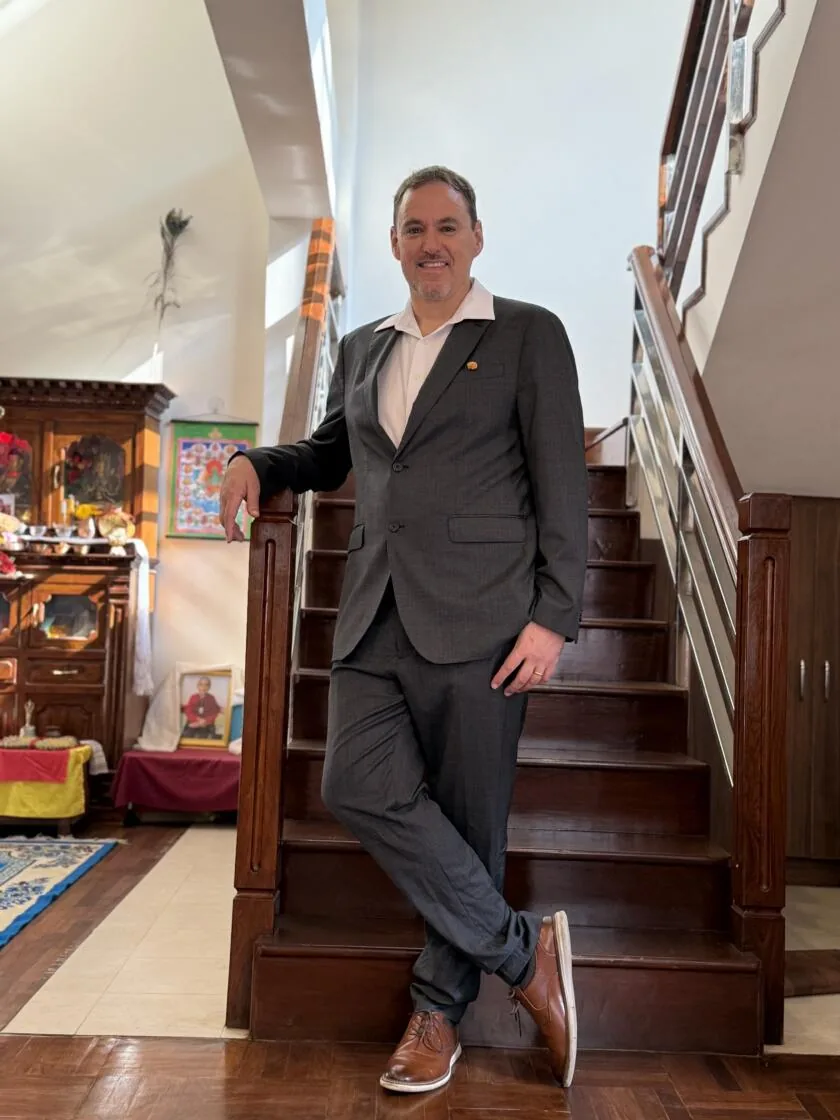
A. Michael Crook, MSN, APRN, PMHNP-BC
Board-certified Psychiatric Mental Health Nurse Practitioner. Neuroscience-based psychiatric telehealth throughout Connecticut — evaluation, medication management, and supportive therapy, with no controlled substances prescribed.
Book a Free 15-Minute Consultation
Call or Text: (203) 212-8493