
A. Michael Crook, MSN, APRN, PMHNP-BC, is a Board-Certified Psychiatric Nurse Practitioner licensed in Connecticut. He offers non-stimulant ADHD care by secure video to children, adolescents, adults and older adults across Connecticut.
Our Services
Building Focus Without Stimulants
Attention and follow-through come from brain systems that can be strengthened. ADHD is brain biology, not a character flaw, and a non-stimulant plan can build focus in a way that is steady across the whole day. No controlled substances are prescribed in this practice, by design. That means every option here is one that is not a controlled substance, which many adults, parents and families prefer.
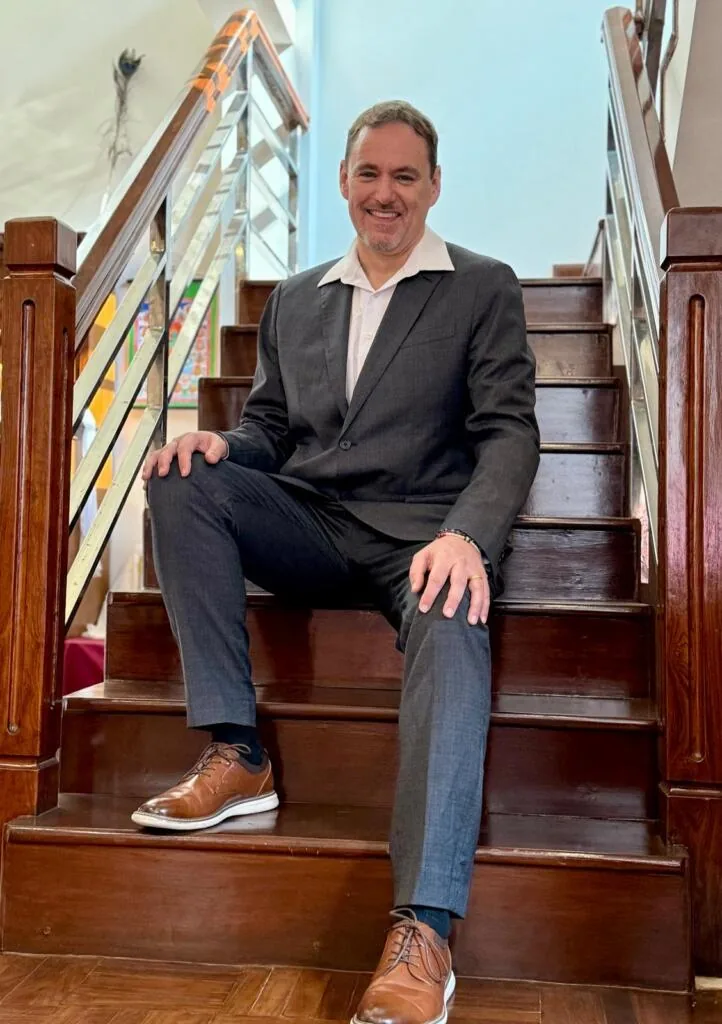
A. Michael Crook, MSN, APRN, PMHNP-BC
Board-Certified Psychiatric Nurse Practitioner
Evening video visits • No controlled substances, by design
Insurance and private pay accepted · Free 15-minute consultation
Book a Free 15-Minute Consultation
Or call or text (203) 212-8493
How Focus Works in the Brain
Focus, planning, starting tasks and holding a thought in mind are jobs of the prefrontal cortex, the brain's executive network. That network depends on chemical signals, especially norepinephrine and dopamine, and on the basics that keep it running: sleep, movement, nutrition and a manageable level of stress. When any of these is off, attention suffers. When they are supported, the brain's capacity for focus can grow.
This is why care here starts with the whole picture. Sleep debt in particular can look almost identical to attention difficulties on rating scales, so the evaluation looks at sleep as carefully as it looks at attention.
Non-Stimulant Medications That Help
Several medications approved by the FDA for ADHD are non-stimulants. Atomoxetine and extended-release viloxazine are approved for children and adults; extended-release guanfacine and clonidine are approved for children and adolescents and are sometimes used in adults. These medications work largely through norepinephrine signaling in the prefrontal cortex. Evidence-based off-label options, such as bupropion, can also help some people.
Non-stimulants work differently from stimulants. Their benefit usually builds over several weeks rather than in an hour, and once it arrives it tends to stay steady through the day, including the evening. Some options can also help settle evenings and sleep. Michael matches the medication to your goals, your health history and how your day is shaped, and adjusts it with you over time.
For a deeper look at the research, read ADHD Without Stimulants: What the Evidence Actually Says.
Strategies That Strengthen Focus
Medication alone is rarely the whole answer. The plan you and Michael build may include:
- Sleep first: a consistent sleep window and a wind-down routine, because rested brains focus better.
- Movement: aerobic exercise improves attention and executive function, sometimes within the same day.
- Structure you can see: timers, visible lists and breaking tasks into first steps, so the brain doesn't have to hold everything at once.
- Steady fuel: regular meals with protein, so energy and attention don't swing through the afternoon.
- Skills and reflection: supportive therapy that builds planning, flexibility and self-understanding.
Flexible thinking is one of the brain's most trainable skills. Cognitive Flexibility: The Most Important Skill Your Brain Can Develop explains how it grows.
Who Thrives on a Non-Stimulant Path
A non-stimulant plan can be a strong first choice for many people, including those who:
- prefer care without controlled substances, for themselves or their child;
- noticed side effects such as poor appetite, trouble sleeping or edginess on stimulants in the past;
- are in recovery from alcohol or substance use and want care without habit-forming medications;
- also experience worry or tension alongside attention difficulties;
- want steady coverage that lasts into the evening, when family life and homework happen.
What Care Looks Like
Care begins with a full evaluation, 60 to 90 minutes, by secure video. You help design the plan. Follow-up visits are 30 or 60 minutes. Appointments run 6:00 PM – midnight ET. For children and adolescents, a parent or guardian is part of the care. You need to be physically in Connecticut at the time of each session; anywhere in the state works, including Fairfield County, Greater Hartford and New Haven County.
You can explore every care format on the Services page, or read The Neuroscience of Healing to see how adult brains keep changing.
Insurance and Private Pay
- Coverage accepted: UnitedHealthcare · Optum · Oxford; Anthem Blue Cross and Blue Shield; Carelon Behavioral Health (formerly Beacon); Blue Cross Blue Shield plans from other states, including Horizon (NJ) and Independence (PA); Aetna; Cigna and Evernorth; Private pay.
- For private pay, the initial evaluation is $425, with a superbill for out-of-network reimbursement and a Good Faith Estimate before care begins.
Frequently Asked Questions
How do non-stimulant ADHD medications work?
They work largely through norepinephrine signaling in the prefrontal cortex, the brain's executive network. Their benefit usually builds over several weeks and then tends to stay steady through the day, including the evening.
Who is a good fit for a non-stimulant plan?
Many people do well, including those who prefer care without controlled substances, people who had side effects on stimulants, people in recovery, and anyone who wants steady coverage that lasts into the evening.
Do you prescribe stimulants?
No. No controlled substances are prescribed in this practice, by design. Every option offered is one that is not a controlled substance.
Do you see children and adolescents for ADHD care?
Yes. Michael sees children, adolescents, adults and older adults, and for younger clients a parent or guardian is part of the care.
Schedule a Free 15-Minute Consultation
Not sure where to start? A free 15-minute consultation is a no-commitment conversation to ask questions and see whether the practice is a good fit for you or your family. Request your appointment through our secure client portal, or reach out if you're not sure.
Book a Free 15-Minute ConsultationRequest an Appointment →
Call/Text: (203) 212-8493 · Email: info@skillfulpsychiatry.com