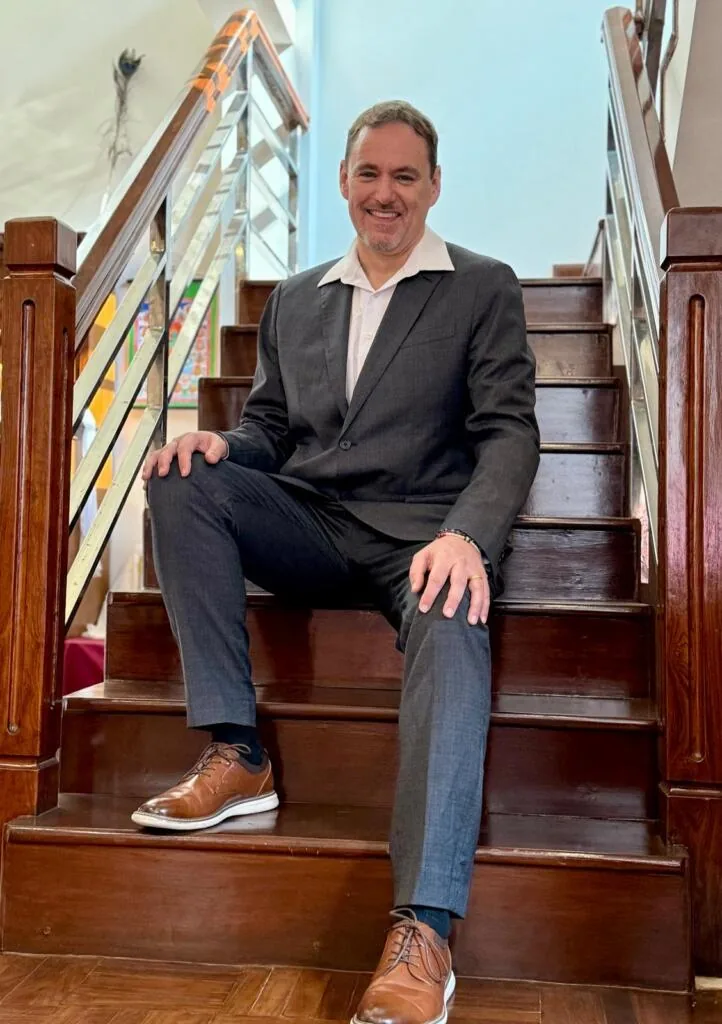
A. Michael Crook, MSN, APRN, PMHNP-BC, is a Board-Certified Psychiatric Nurse Practitioner licensed in Connecticut. He offers anxiety and panic care by secure video to children, adolescents, adults and older adults across Connecticut.
Our Services
Lasting Calm, Built on Brain Biology
Anxiety is a nervous system working hard to protect you. With the right tools, it can learn to settle. Benzo-free anxiety care is a core part of this practice: Michael combines non-addictive medication when it helps with nervous-system regulation skills, sleep, movement and cognitive reframing, so the plan aims for steadiness you keep, not relief that fades. No controlled substances are prescribed in this practice, by design.
A. Michael Crook, MSN, APRN, PMHNP-BC
Board-Certified Psychiatric Nurse Practitioner
Evening video visits • No controlled substances, by design
Insurance and private pay accepted · Free 15-minute consultation
Book a Free 15-Minute Consultation
Or call or text (203) 212-8493
How the Brain Learns Calm
The brain has an alarm system, centered in the amygdala, that scans for danger and readies the body to act. The prefrontal cortex is the part that checks the alarm and says, "this is safe." When stress has been high for a long time, the alarm can become quick to fire and slow to quiet. A racing heart, tight chest or a flood of worry is that system doing its job too often.
The encouraging part is that this system is built to learn. With practice, the connections between the prefrontal cortex and the alarm grow stronger, and the body's calming pathways, including the vagus nerve, respond more readily. Calm becomes a skill the brain gets better at. The Neuroscience of Healing explains how this kind of change happens in adult brains.
Why Care Here Is Benzo-Free
Benzodiazepines can bring fast relief, but with regular use the brain adapts to them. That adaptation can lead to tolerance, dependence and rebound anxiety, and it can get in the way of the learning that makes calm last. Building care on options that support that learning is a deliberate choice, and it means every option offered is one without the risks that come with controlled substances.
Tools for Steady Calm
Your plan is built with you and may include:
- Non-addictive medication when it helps: SSRIs and SNRIs are well-studied first choices for persistent worry and panic; buspirone, hydroxyzine and other options can fit specific needs. These take several weeks to reach full effect.
- Nervous-system regulation skills: slow breathing with a long exhale, grounding and other practices that signal safety to the body.
- Cognitive reframing: noticing an anxious thought, questioning it and choosing a more accurate one. Cognitive Flexibility: The Most Important Skill Your Brain Can Develop shows why this skill matters so much.
- Lifestyle foundations: steady sleep, regular movement and attention to caffeine and alcohol, which both affect how easily the alarm fires.
- Awareness practice: learning to watch thoughts without being carried by them, described in The Architecture of Awareness.
Teaching the Alarm It Can Rest
A wave of panic peaks within minutes and then passes, even though it can feel endless while it is happening. Care for panic focuses on teaching the brain, through gradual and supported practice, that the sensations of a racing heart or quick breath are uncomfortable but safe. Each time the brain learns this, the alarm recalibrates a little more. Over time, many people find the waves come less often and pass more quickly.
If You Take a Benzodiazepine Now
If you currently take a benzodiazepine, keep your current prescriber involved, and do not stop it suddenly; any change should be planned with the prescriber who manages it. Because no controlled substances are prescribed here, this practice cannot take over that prescription. The free consultation is a good place to talk through whether care here fits your situation.
What Care Looks Like
Care begins with a full evaluation, 60 to 90 minutes, by secure video, and follow-up visits are 30 or 60 minutes. Appointments run 6:00 PM – midnight ET. Care can focus on what you are working through, such as worry, tension, sleep or a racing mind, without a diagnostic label. You need to be physically in Connecticut at the time of each session; anywhere in the state works, including Fairfield County, Greater Hartford and New Haven County.
See every care format on the Services page, or read Healing Through Brain Biology.
Insurance and Private Pay
- Coverage accepted: UnitedHealthcare · Optum · Oxford; Anthem Blue Cross and Blue Shield; Carelon Behavioral Health (formerly Beacon); Blue Cross Blue Shield plans from other states, including Horizon (NJ) and Independence (PA); Aetna; Cigna and Evernorth; Private pay.
- For private pay, the initial evaluation is $425, with a superbill for out-of-network reimbursement and a Good Faith Estimate before care begins.
Frequently Asked Questions
Can anxiety and panic ease without benzodiazepines?
Yes. Benzo-free anxiety care is a core part of this practice, combining non-addictive medication when it helps with nervous-system regulation skills, sleep, movement and cognitive reframing.
Which medications are used instead?
SSRIs and SNRIs are well-studied first choices for persistent worry and panic, and buspirone, hydroxyzine and other options can fit specific needs. These take several weeks to reach full effect.
I take a benzodiazepine now. What should I do?
Keep your current prescriber involved, and do not stop it suddenly; any change should be planned with the prescriber who manages it. The free consultation is a good place to talk through whether care here fits your situation.
Do I need a diagnosis to get help with anxiety?
No. Care can focus on what you are working through, such as worry, tension, sleep or a racing mind, without a diagnostic label.
Schedule a Free 15-Minute Consultation
Not sure where to start? A free 15-minute consultation is a no-commitment conversation to ask questions and see whether the practice is a good fit for you or your family. Request your appointment through our secure client portal, or reach out if you're not sure.
Book a Free 15-Minute ConsultationRequest an Appointment →
Call/Text: (203) 212-8493 · Email: info@skillfulpsychiatry.com